Seiryu-Do青龍堂 Pay IDアプリ:フォローリンクURL
https://thebase.com/to_app?s=shop&shop_id=kitaden&follow=true
アプリをダウンロードして、ご利用頂けます❣️


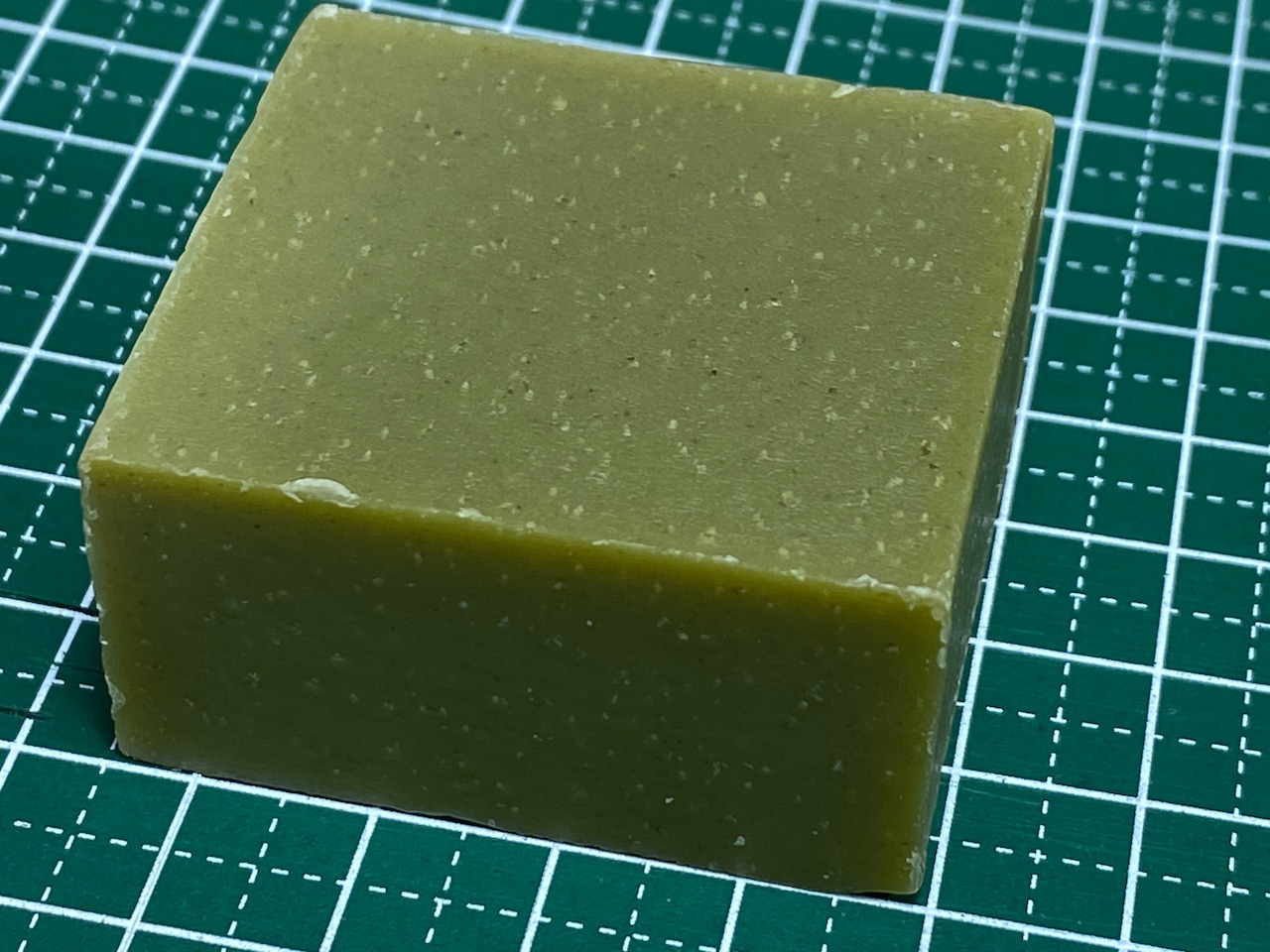


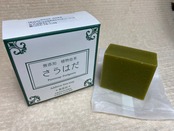
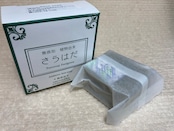
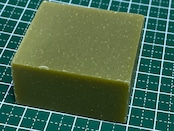


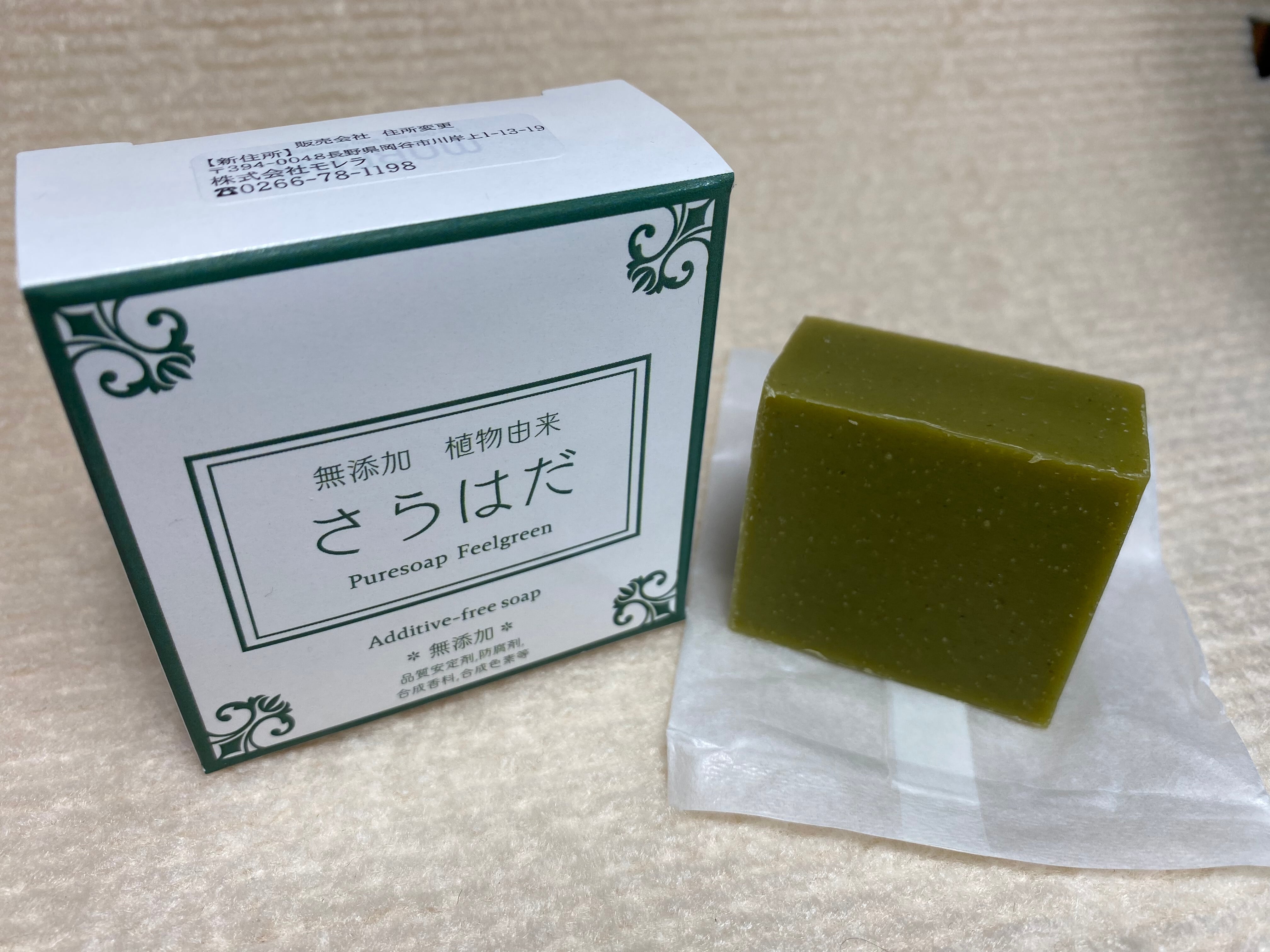
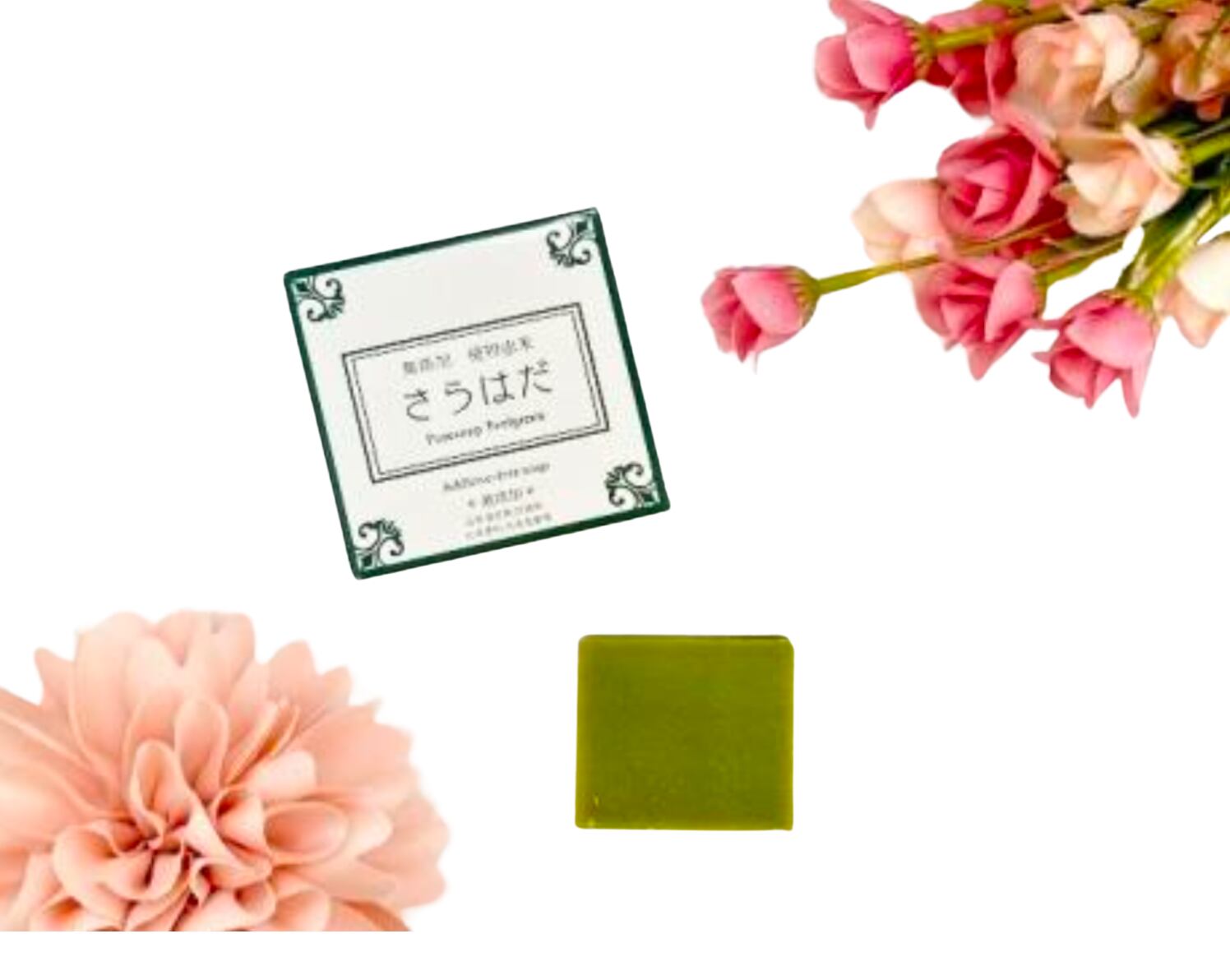
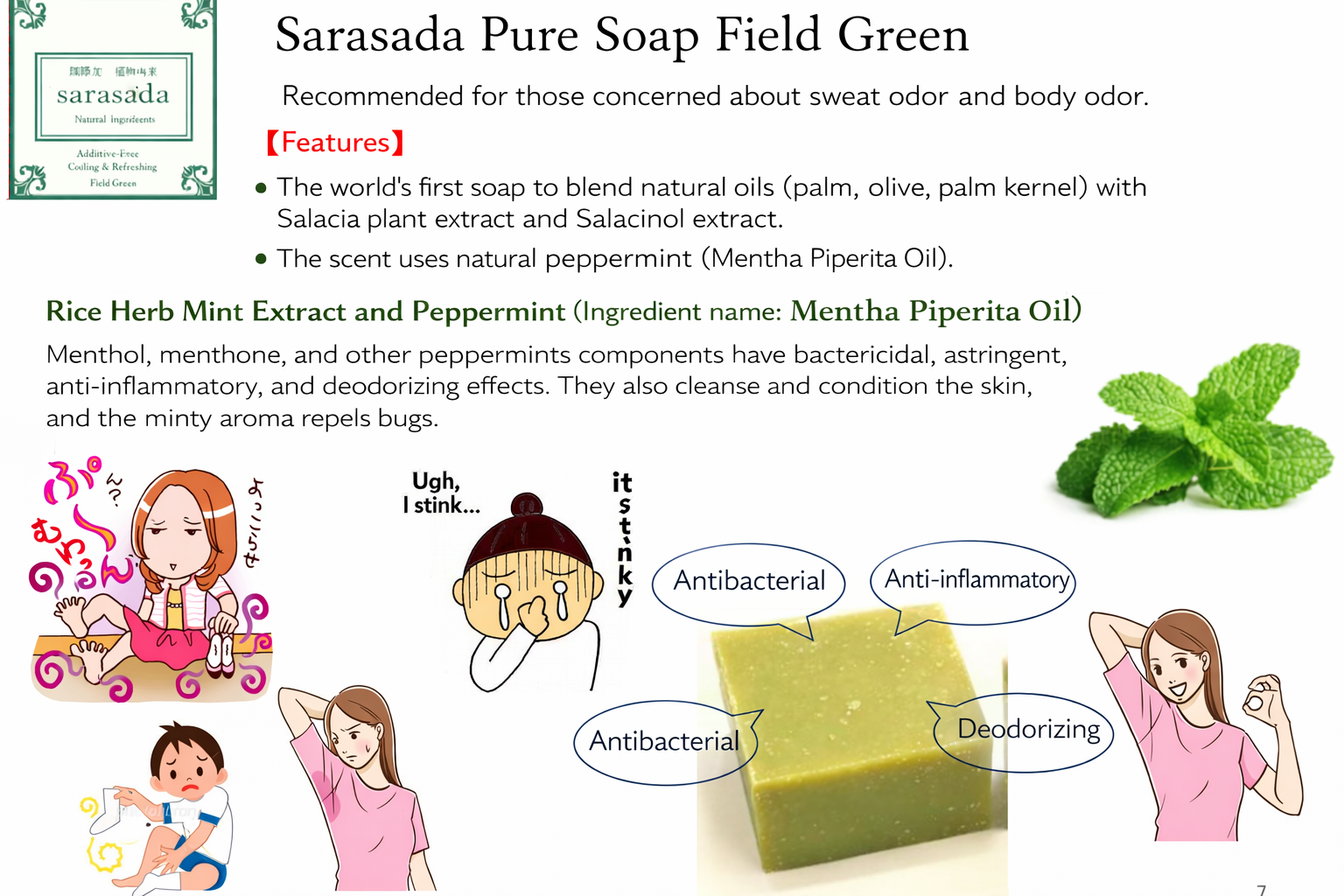
[Additive-Free, Plant-Derived] Sarahada PureSoap Feel Green [MADE IN JAPAN]
¥1,100($6.97)
International shipping available
⭐️Shuts out sweat odor & body odor❣️
⭐️Leaves skin feeling “moisturized” yet “smooth”
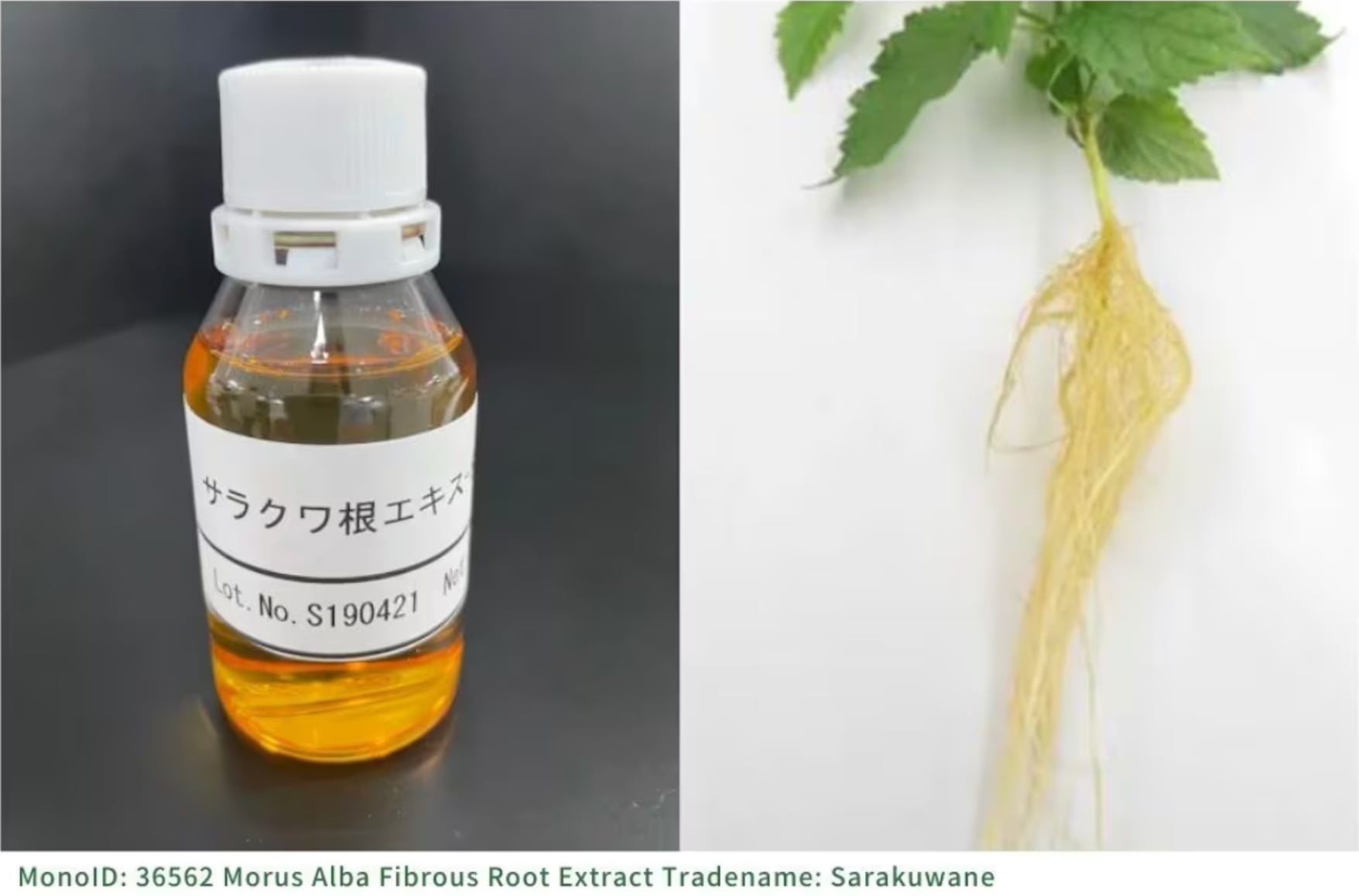
This soap features a refreshing mint scent from natural ingredients, blended with highly effective odor-eliminating and antibacterial Sarakuwa leaf & Sarakuwa extract (ultra-rare components).
Bring plant-derived, natural deodorant into your daily life❣️
✿ ❀ ✿ ❀ ✿ ❀ ✿ ❀ ✿ ❀
This deodorant soap is recommended for those concerned about sweat odor, body odor, and age-related odor.
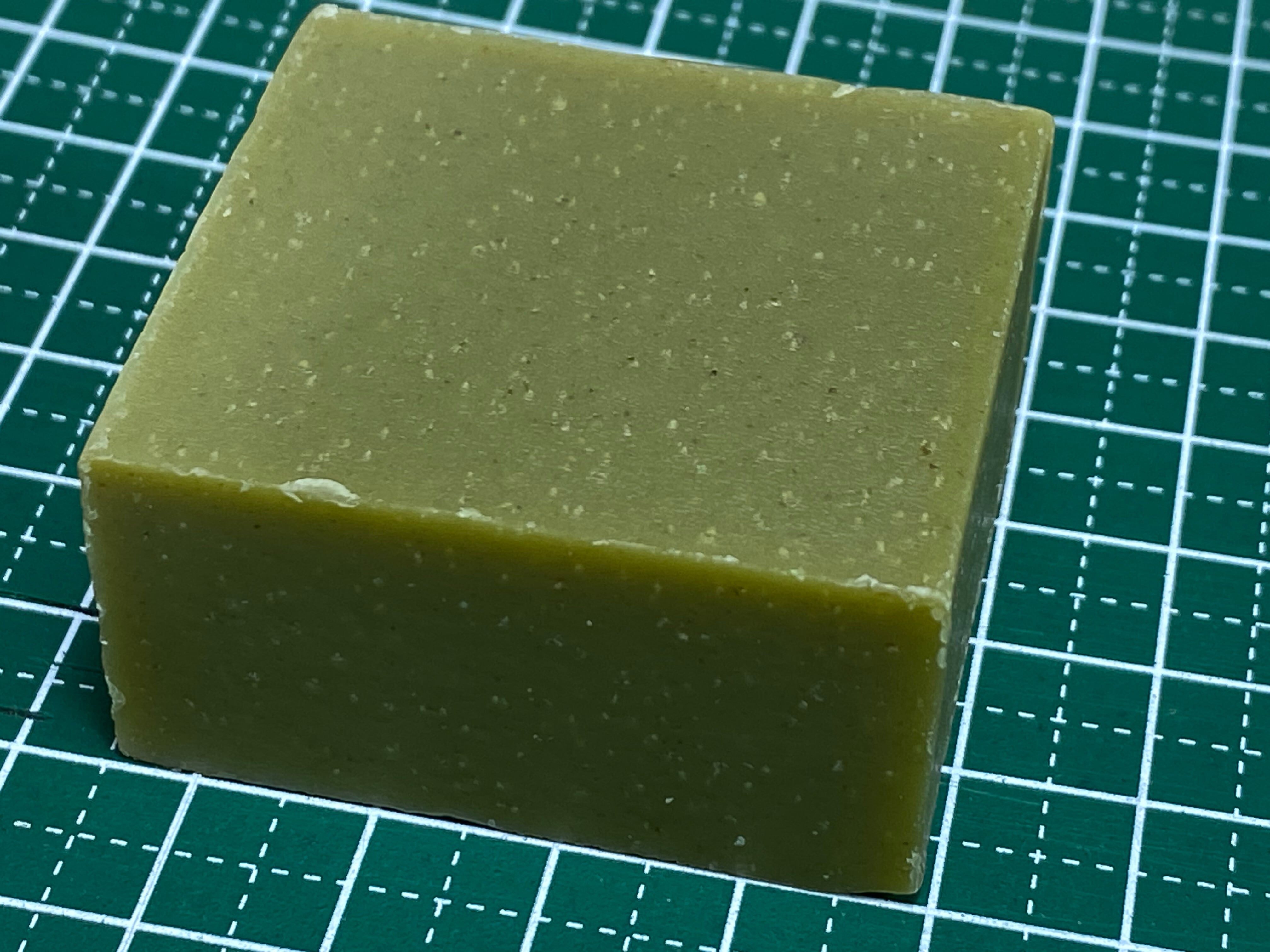
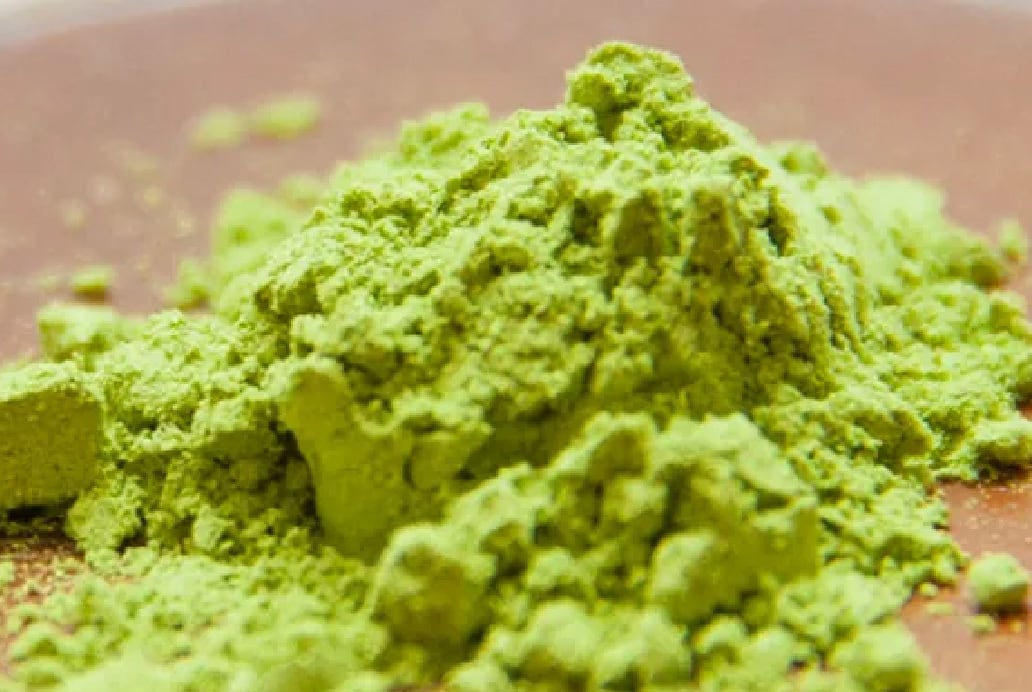
The green color comes from hydroponically grown mulberry leaves, which thoroughly cleanse sebum!
※ The fat-soluble polyphenols contained in mulberry leaf extract
have the property of penetrating deep into the skin.
Therefore, you can expect effects that are difficult to achieve with conventional cosmetic ingredients.
※ For details, please see “The Important Functions of Mulberry” below!
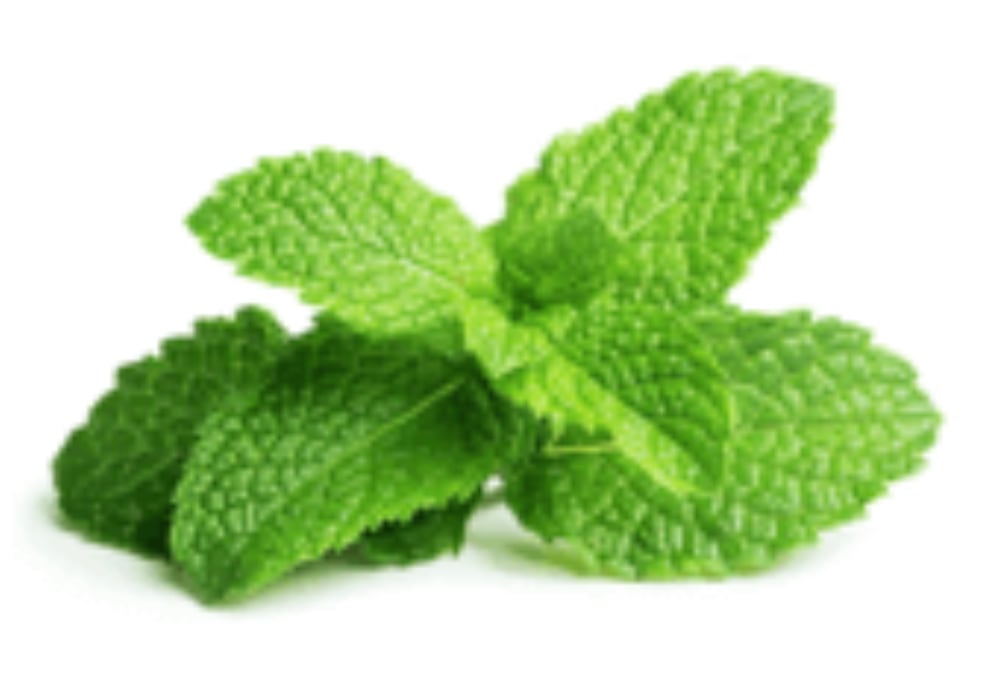
The fragrance uses refreshing mint.
⭐️ The scent of mint repels mosquitoes.
“Sarahada PureSoap Feel Green” not only prevents the transfer of body odor to bedding.
It is also a reassuring item for outdoor activities and sleep during warm seasons.
Translated with DeepL.com (free version)
【Ingredients】
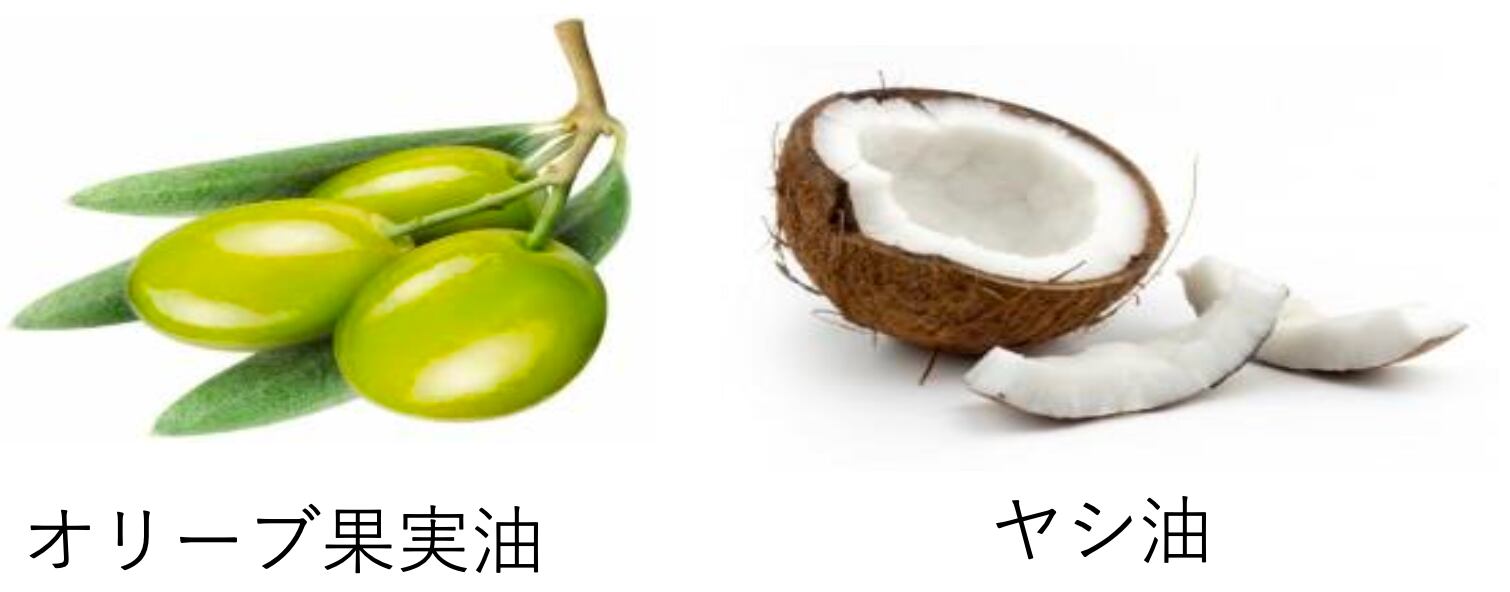
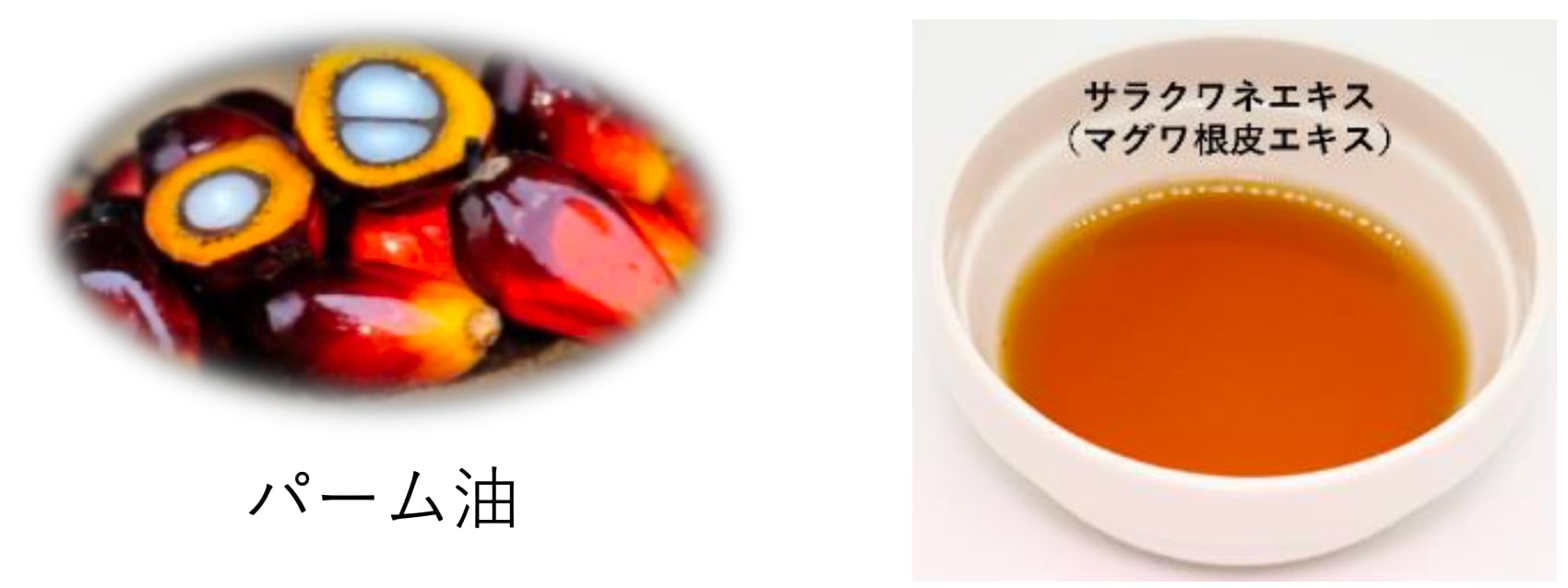
Coconut Oil, Water, Olive Fruit Oil, Palm Oil, Sodium Hydroxide
Mulberry Leaf Powder, ⭐️Mulberry Root Bark Extract (Morus alba Root Bark Extract), Peppermint Oil
【Ingredient Features】 Reference: Cosmetic Ingredients Online
Olive Fruit Oil, Coconut Oil, Palm Oil (Moisturizing, Cleansing Power, Skin Softening)
Magnolia Bark Extract, Magnolia Leaf (Inhibits pigmentation, anti-aging, deodorizing, anti-inflammatory)
Peppermint Oil (Antioxidant, antibacterial, anti-inflammatory, astringent, cooling sensation)
Peppermint Oil contains essential oil components like menthol and menthone, along with tannins. It has antibacterial, astringent, anti-inflammatory, and cooling effects, helping to cleanse the skin and refine its texture.
【Capacity (Size: cm)】
40g (4.5 × 2.5 × 4)
【Free From】The following ingredients are not used:
Synthetic preservatives (quality stabilizers/preservatives)・Artificial fragrances (synthetic fragrances)
Artificial colorants (synthetic pigments)・Stabilizers (foaming agents) Not used
⭐️Magnolia bark extract→Magnolia rootlet extract (Sarakwane Extract)
Certified and registered under the INCI name (International Cosmetic Ingredient Name) in December 2021
Over 50 effects of the components contained in this extract are listed in 【The Important Functions of Sarakwane】.
※ This is not information about the product itself that conflicts with the Pharmaceutical Affairs Law.
【Manufacturing Method】Cold Process Method
A meticulous, labor-intensive method using only the reaction heat between raw oil and sodium hydroxide.
Rich in the natural moisturizing and skin-beautifying components inherent to the ingredients,
it produces a moisturizing, soft soap.
※ Can be easily cut with a kitchen knife
(Confirm sodium hydroxide safety here: Cosmetic Ingredient Online https://cosmetic-ingredients.org/ph-adjuster/2862/)
【Tips for Longevity】
● This soap dissolves easily.
Please use a coarse, sponge-like soap dish with good drainage.
【Long-Term Storage Possible】
*Over 3 years unopened
Although this soap contains no preservatives or antioxidants,
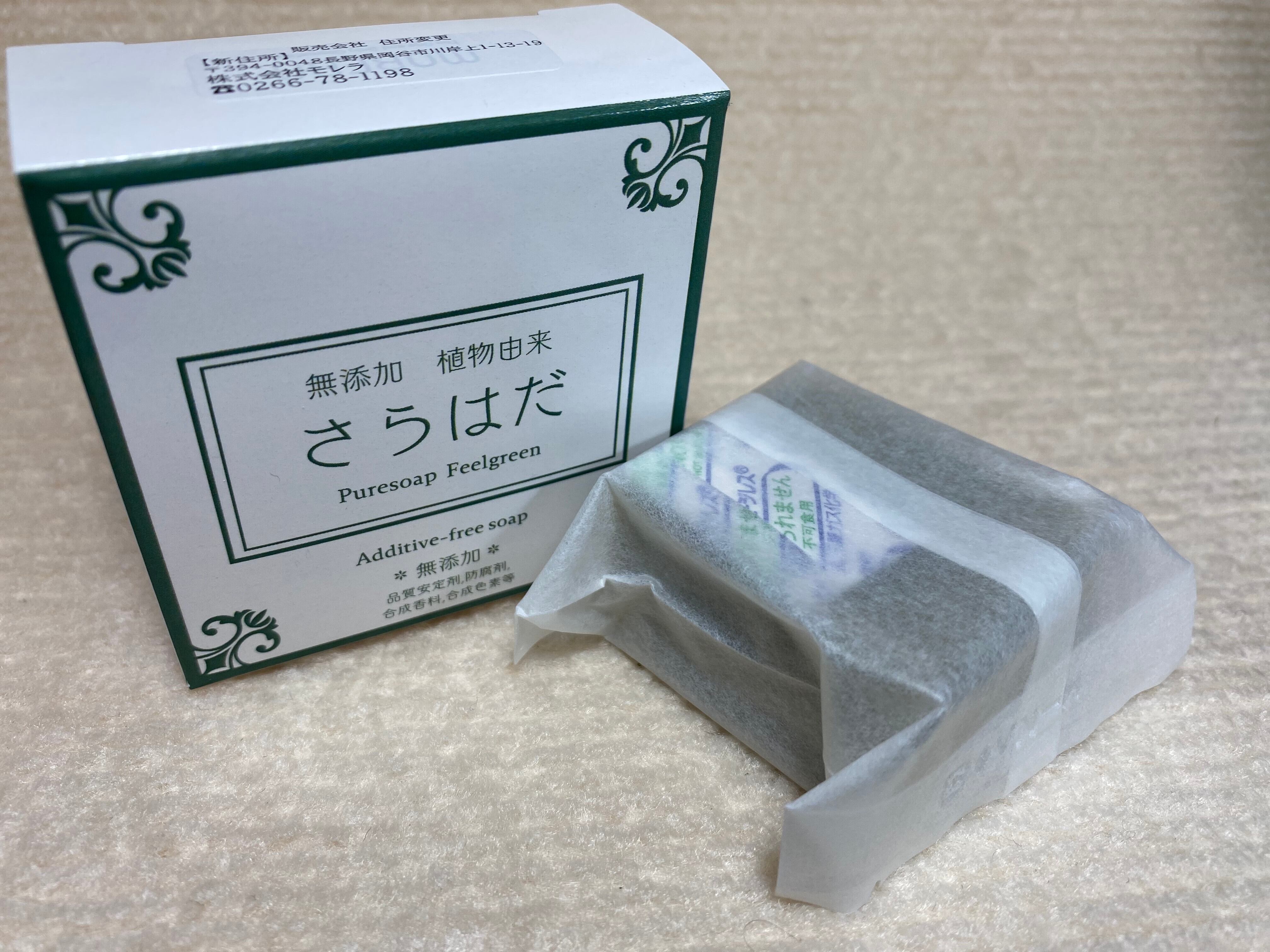
the packaging uses oxygen-barrier nylon film,
allowing it to be used without issue for over 3 years unopened.
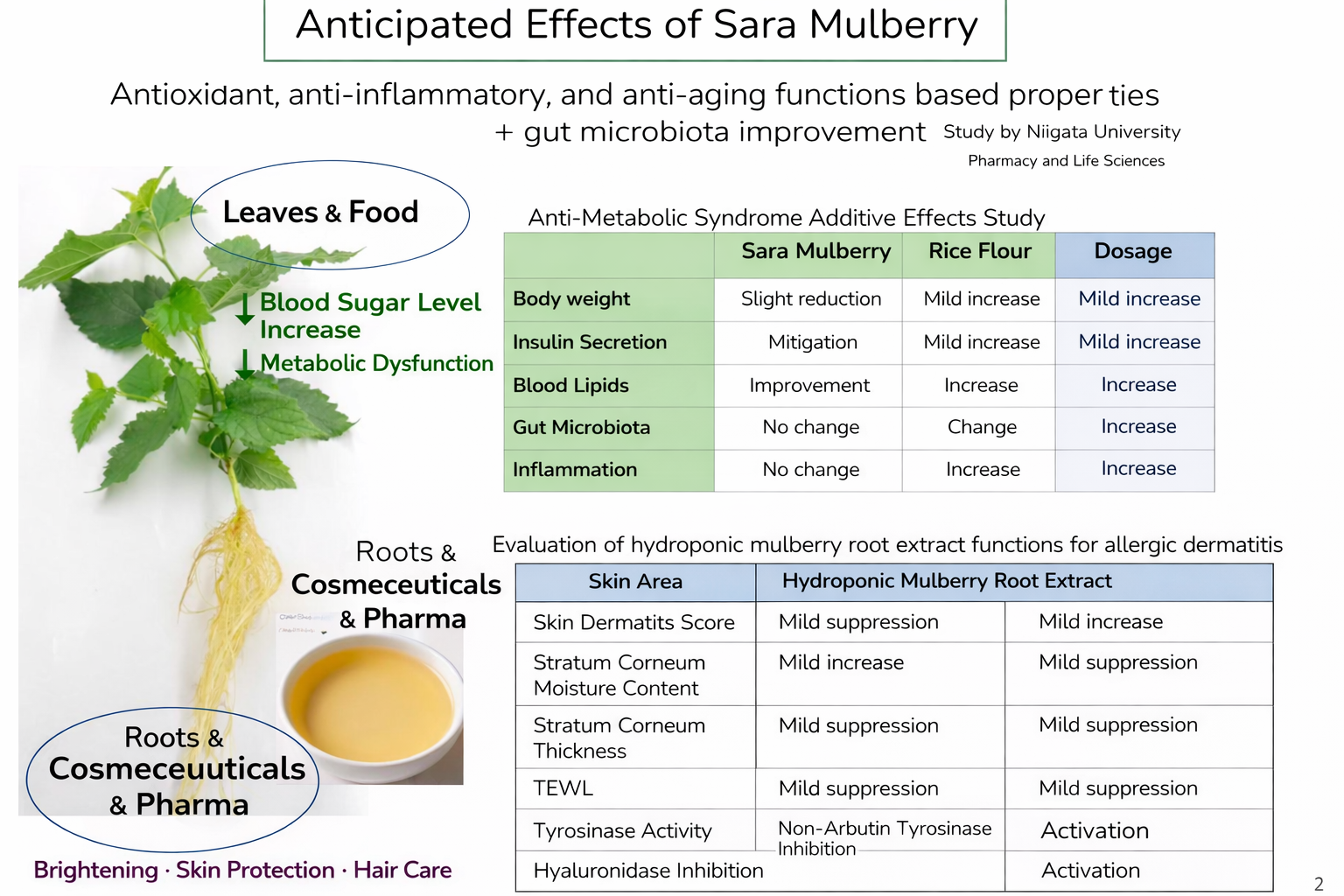
Unique Cosmetic Ingredients Derived from Hydroponically Grown Mulberry
— How They Differ from Conventional Mulberry-Based Materials
We present a clear overview of the cosmetic benefits of ingredients derived from mulberry fine roots (“beard roots”) and mulberry leaves, cultivated through a specialized hydroponic system, with a focus on how they fundamentally differ from conventional mulberry extracts.
❶ Mulberry Fine Root Extract from Specialized Hydroponic Cultivation
(Distinct from conventional Mulberry Root Bark Extract)
✅ Key Features & Advantages
Different botanical origin from conventional mulberry root bark
This extract is derived from fine roots (root hairs)—a metabolically highly active tissue—rather than from root bark.
→ As a result, its chemical composition differs substantially from that of traditional mulberry root extracts.
Stress-controlled hydroponic cultivation enables high concentrations of unique secondary metabolites
→ Accumulation of prenylated flavonoids and lipophilic phenolic compounds is particularly expected.
Rich in lipophilic antioxidant components (non-polar polyphenols)
→ Especially beneficial for moisture retention, reinforcement of the skin barrier, and antioxidant and anti-inflammatory support.
A rare natural ingredient capable of supporting brightening and anti-aging care
→ Enables strong differentiation without relying on synthetic actives.
Potential for a non-arbutin-dependent tyrosinase inhibition pathway
→ Suggests a more nuanced and skin-friendly approach to tone clarity.
Addresses the core mechanisms of skin aging
→ Targets glycation, oxidation, and inflammation, rather than masking symptoms.
❷ Mulberry Leaf Powder from Specialized Hydroponic Cultivation
(Exceptionally High in Deoxynojirimycin; Unlike Conventional Mulberry Leaves)
✅ Key Features & Advantages
Significantly higher Deoxynojirimycin (DNJ) content than standard mulberry leaves
→ DNJ exhibits strong α-glucosidase inhibitory activity, making it highly effective in protecting against glycation stress (anti-AGEs).
Scientifically grounded support for common skin concerns
→ Helps address yellowish dullness, loss of elasticity, and glycation-related pore issues.
Hydroponic cultivation minimizes pesticide exposure
→ Perfectly aligned with clean beauty and natural soap philosophies.
Likely enriched with functional phytochemicals
→ Including chlorophyll, lutein, and chlorogenic acid, all known for skin-supportive properties.
A fundamental, ingredient-centric approach to skin aging
→ Works at the level of glycation, oxidation, and inflammation, rather than superficial treatment.
_
Key Oils Used in Natural Soap
— Cosmetic Benefits and Why They Matter to Your Skin
Below is an overview of the cosmetic advantages of olive oil, coconut oil, palm oil, and peppermint oil, each carefully selected for its functional and skin-friendly properties as a soap ingredient.
❶ Olive Oil
Key Features & Benefits
Primary fatty acid: Oleic acid (approx. 70–80%)
→ Highly compatible with the skin’s natural sebum, allowing it to absorb smoothly and feel instantly familiar to the skin.
Naturally rich in antioxidants
→ Contains vitamin E and polyphenols, which help protect the skin from oxidative stress.
Deep, lasting moisturization
→ Leaves the skin soft, supple, and well-hydrated, making it ideal for dry or delicate skin.
Long-established safety profile
→ Used for centuries in skincare, with very few reported allergic reactions.
A classic foundation oil for traditional soapmaking
→ Valued for its mildness and conditioning qualities.
❷ Coconut Oil
Key Features & Benefits
Rich in medium-chain fatty acids
→ Especially lauric acid and caprylic acid, known for their natural antibacterial and antiviral properties.
Excellent oxidative stability
→ Highly resistant to rancidity, ensuring freshness and quality over long storage periods.
Creates a rich, creamy lather
→ Enhances foaming power, delivering a satisfying cleanse without harshness.
Supports skin hydration and barrier function
→ Helps prevent moisture loss while maintaining a clean, refreshed feel.
❸ Palm Oil
Key Features & Benefits
Well-balanced fatty acid profile
→ Primarily palmitic acid and oleic acid, providing structural stability and gentle cleansing.
Highly stable and versatile
→ Commonly used in soaps, emulsions, and cream bases due to its consistency and reliability.
Contains tocotrienols (a potent form of vitamin E)
→ Offers antioxidant protection that supports healthy-looking skin.
Essential for soap performance
→ Contributes firmness, long-lasting bars, stable lather, and excellent shelf life.
❹ Peppermint Oil (Mentha piperita)
Functional Role & Sensory Benefits
A supporting ingredient that enhances the overall experience
→ Used to elevate freshness and usability, rather than as a primary oil.
Cooling sensation for instant refreshment
→ The natural menthol provides a clean, invigorating feel that sharpens skin perception.
Potential synergistic effect
→ The cooling action may help temporarily soothe low-grade skin discomfort, including subtle inflammation associated with glycation-related stress.
✿ ❀ ✿ ❀ ✿ ❀ ✿ ❀ ✿ ❀
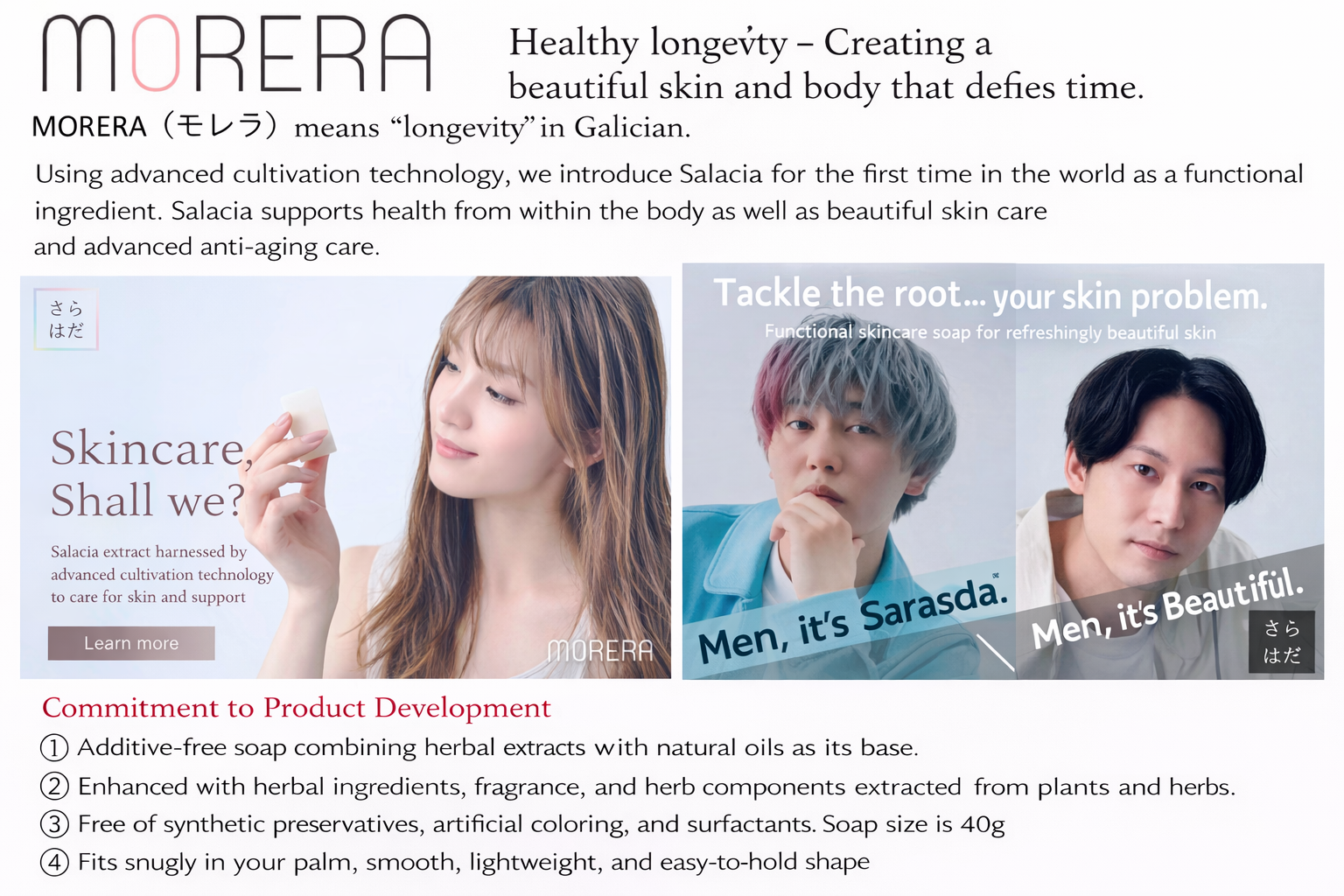
Morella, the company that developed Sarahada PureSoap, has been working with a pharmaceutical university since the beginning of its development.
As a result, the company has a solid reputation for creating products with a strong pharmaceutical basis.
This new cosmetic ingredient is characterized by its high usability in cosmetics and other products, as it contains a large amount of fat-soluble polyphenols that penetrate the skin deeply, unlike conventional water-soluble polyphenols, and its content remains stable regardless of the harvest season.
This new cosmetic ingredient is “Mulberry Root Hair Extract” (also known as “Sarakwane Extract”), made from the root hairs of the Sara mulberry tree, which Morella is the only company in the world to have successfully cultivated.
Research by the University of Pharmaceutical Sciences has revealed that its composition is completely different from that of traditional “mulberry bark” made from mulberry roots.
The stated purposes for including ‘Magnolia Root Extract’ are as follows:
* Antibacterial agent: Also helps block odors
* Antioxidant: Anti-aging
* Keratolytic agent: Moisturizing
* Skin bleaching agent: Whitening
* Skin protectant... Prevents skin inflammation
For detailed information, including the basis for the above formulation purposes, please refer to the database site for cosmetic technologists, Cosmetic-Info.jp, where you can search for ingredient names, raw materials, and formulation examples:
https://www.cosmetic-info.jp/jcln/detail.php?id=16427
✿ ❀ ✿ ❀ ✿ ❀ ✿ ❀ ✿ ❀
Since its inception, Morella has conducted joint research with the Faculty of Applied Life Sciences at Niigata University of Pharmacy and Applied Life Sciences.
We have scientifically demonstrated various characteristics that distinguish Morella from conventional mulberry.
*The following describes Morella's initiatives and does not indicate the efficacy or effects of the product.
Niigata University of Pharmacy and Applied Life Sciences
Research Content
Basic Research
2016-
Anti-obesity effects of hydroponically grown mulberry in rats fed a high-fat, high-sucrose diet
2017-
Study of synergistic effects of food combinations with anti-metabolic syndrome functions
2016-
Anti-obesity effects of hydroponically grown mulberry in rats fed a high-fat, high-sucrose diet
2018-
Comparative study of the functionality and constituents of dried roots and white bark of hydroponically grown mulberry
2019-
Analysis of varietal differences in mulberry by polyphenol profiling
Thesis 2021
Characteristics of Morus alba L cultured by in room hydroponics
Tetsuya Konishi, published in Am J Plant Sciences
https://www.1198.co.jp/assets/images/ajps_2022012514593712.pdf
2024 The Synergistic Enhancement of Anti-Metabolic Diseases Function of Morus alba with the Combination of Cha (Camellia sinensis) by Tetsuya Konishi Published in Current Nutraceuticals, Benthum Publishing
Yamanashi University School of Medicine (Immunology)
Research Content
Research on the anti-inflammatory effects of Sara mulberry polyphenols
Shinshu University Faculty of Textile Science and Technology
Research Content
Investigation of functional components and tissue culture based on mulberry varieties (DNA) Ongoing
Planned research on Sara mulberry silkworm rearing and pupae
_
The Unique and Essential Functions of Sara-Kuwa
November 23, 2022
Professor Tetsuya Konishi
Faculty of Pharmaceutical Sciences, Niigata University of Pharmacy and Applied Life Sciences
"Why is Sara-Kuwa exceptionally valuable as a cosmetic ingredient?"
The answer lies in its rich content of Sara-Kuwa polyphenols, particularly oxyresveratrol and its glycosides, which constitute the core bioactive components.
Oxyresveratrol is a powerful molecule with strong antioxidant and anti-inflammatory properties. These activities play a fundamental role in suppressing cellular damage caused by oxidative stress and inflammation—key drivers of aging.
Such mechanisms are deeply involved not only in skin aging, but also in immune function, cancer prevention, and neurodegenerative disorders such as cognitive decline. For this reason, antioxidant and anti-inflammatory functions are considered essential requirements for both functional foods and advanced cosmetic ingredients.
"Oxyresveratrol: a rare and biologically significant polyphenol"
Oxyresveratrol has been identified in mulberry twigs and roots, and also in certain woody plants of the Moraceae family such as Artocarpus species. This suggests that oxyresveratrol may be regarded as a characteristic compound of mulberry-related species.
In addition, it has been detected in limited plant species from families such as Gnetaceae, Fagaceae, Salicaceae, Orchidaceae, and others—many of which have long been used as medicinal plants in traditional folk medicine.
"A compound supported by extensive scientific research"
A PubMed search (as of November 2022) yields over 260 published studies on oxyresveratrol. Reported biological activities include:
☑︎ Antioxidant and anti-inflammatory effects
☑︎ Hepatic and renal protective effects
☑︎ Prevention and improvement of cognitive impairment
☑︎ Enhancement of insulin sensitivity and anti-diabetic effects
☑︎ Suppression of adipocyte differentiation
☑︎ Anti-tumor and anti-carcinogenic activity
☑︎ Neuroprotective effects
☑︎ Antifungal and antiviral activity
☑︎ Tyrosinase inhibition and melanin suppression
☑︎ Reactive oxygen species (ROS) scavenging
☑︎ Suppression of CYP1B1 expression
☑︎ Cyclooxygenase inhibition
☑︎ Microglial activation suppression
☑︎ AGE (advanced glycation end-products) formation inhibition
☑︎ DNA damage protection
☑︎ Strengthening of cell–cell junctions
☑︎ Inhibition of lens protein modification (anti-cataract potential)
☑︎ Suppression of leukocyte migration
☑︎ Antibacterial activity against skin pathogens
☑︎ Promotion of skin regeneration and wound repair
☑︎ Inhibition of cancer metastasis and angiogenesis
☑︎ NASH prevention
☑︎ Thermogenesis and autophagy activation
☑︎ Phytoestrogen-like activity
☑︎ Apoptosis induction
☑︎ Suppression of allergic airway inflammation
☑︎ Protection against skin viral infections
☑︎ Suppression of ulcerative colitis
☑︎ UCP1 induction and energy metabolism regulation
☑︎ Suppression of skin MMP-1 expression
These findings position oxyresveratrol as a highly promising multifunctional botanical biofactor for functional foods, pharmaceutical leads, and cosmetic applications.
"Exceptional relevance to skin protection and regeneration"
Beyond its antioxidant and anti-inflammatory core actions, oxyresveratrol demonstrates:
☑︎ Suppression of macrophage activation and leukocyte migration
☑︎ Modulation of immune and allergic responses
☑︎ Inhibition of tyrosinase activity linked to hyperpigmentation, dark spots, and freckles
☑︎ Suppression of melanin production
☑︎ Inhibition of MMP-1 expression related to skin sagging and wrinkle formation
☑︎ Inhibition of AGE formation (glycation-related aging)
☑︎ Protection and repair of DNA damage
☑︎ Promotion of tissue repair and skin regeneration
☑︎ Activation of autophagy
☑︎ Regulation of apoptosis
☑︎ Strengthening of intercellular adhesion
☑︎ Antibacterial activity against acne-related skin bacteria
These multifaceted actions clearly demonstrate why oxyresveratrol possesses exceptionally high potential as a next-generation cosmetic ingredient.
"Why Sara-Kuwa extract is truly unique"
Sara-Kuwa extract is rich in oxyresveratrol derivatives as its primary active components, and additionally contains lipophilic polyphenols such as kuwanon and morusin, which act synergistically with oxyresveratrol.
This rare combination gives Sara-Kuwa extract a level of functional superiority and safety that is difficult to find in conventional cosmetic raw materials.
"Outstanding advantages of lipophilic polyphenols"
(Functions largely absent from conventional cosmetic ingredients)
1. Superior skin penetration
Due to their lipophilic nature, these compounds pass more easily through the stratum corneum lipid barrier, allowing active ingredients to reach the dermis efficiently.
This enables deep antioxidant, anti-inflammatory, and collagen-protective effects that are difficult to achieve with water-soluble polyphenols.
2. High affinity for skin lipids and inhibition of lipid oxidation
Lipophilic polyphenols readily integrate into skin lipids and suppress lipid peroxidation.
This is particularly important for preventing pore enlargement, blackheads, and rough skin, areas where hydrophilic antioxidants are less effective.
3. Long-lasting antioxidant protection
These compounds tend to remain within the skin layers and are less easily washed away, resulting in sustained antioxidant defense throughout daily exposure to environmental stressors such as UV radiation and air pollution.
"Limitations"
1. Formulation challenges
Because of their lipophilicity, advanced emulsification and stabilization technologies are required.
2. Higher production cost
Extraction, purification, and stabilization processes are complex, often resulting in higher manufacturing costs and premium pricing.
"Conclusion"
Despite these challenges, Sara-Kuwa extract represents a rare, scientifically substantiated, and highly functional botanical ingredient, offering cosmetic performance that goes far beyond conventional plant extracts.
It is precisely this depth of biological functionality that positions Sara-Kuwa as a true next-generation ingredient for advanced skincare formulations.
-
レビュー
(167)
- レビュー(167)